Back to projects

Futura - Operational App

An ops app for a solar energy company. The hard part wasn't the code — it was figuring out what 'track issues' actually meant when you're dealing with solar panels in rural Indonesia.

FlutterGetX
Futura - Operational App

Overview

Futura Energi Indonesia installs solar panel systems in remote areas. Their field teams would visit sites, find problems, take notes on paper, and report back days later. By then, the context was gone. Photos were on someone's phone. Nobody knew if the issue was fixed or still pending.

They needed a mobile app that field workers could use on-site to log issues, track assets, and report project status in real time. The goal wasn't just efficiency — it was accountability. When you're managing clean energy projects with government funding, you need an audit trail.

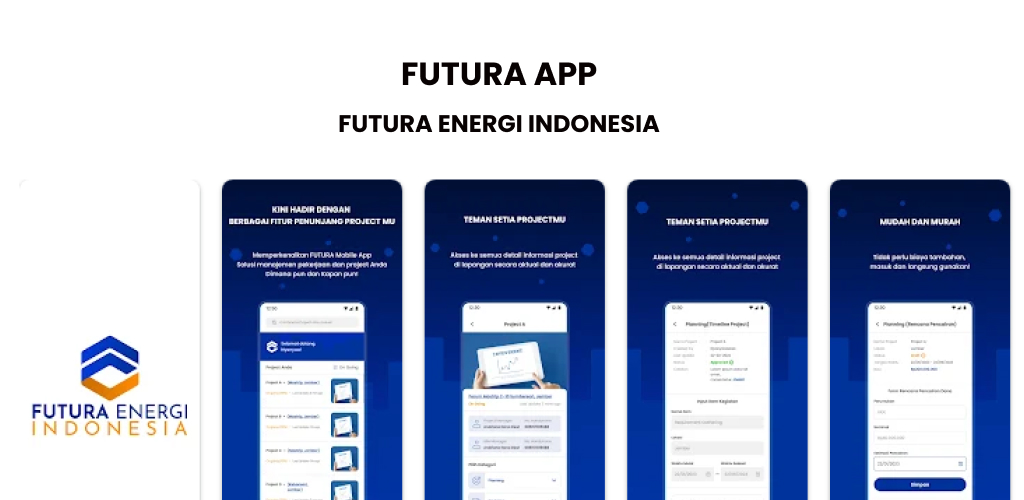
I built Futura as a field operations tool. Workers can create issue reports with photos and GPS coordinates, scan asset tags to log maintenance, and update project milestones. Everything syncs to a central database. Managers get a dashboard. Auditors get transparency.

The app had to work offline because rural Indonesia doesn't have reliable internet. It had to be simple because not everyone on the team was tech-savvy. And it had to be secure because corruption is a real concern in infrastructure projects.

Client

Futura Energi Indonesia is a clean energy company focused on solar installations in underserved areas. They work with local governments and NGOs to bring electricity to communities that don't have grid access.

The company cares about impact, but they also care about process. They wanted a system that would prove their work was legitimate — that funds were spent correctly, that projects were completed as promised, that problems were addressed, not hidden.

Features

Issue tracking lets field workers create reports with descriptions, photos, location data, and severity levels. Issues are assigned to team members and tracked through resolution. Managers can filter by project, status, or priority.

Asset management uses QR codes. Each solar panel, inverter, and battery has a tag. Workers scan it to log inspections, maintenance, or replacements. The system tracks asset history — when it was installed, who serviced it, what problems it's had.

Project tracking shows milestones and progress. Field teams update status from the app. Managers see which projects are on schedule, which are delayed, and why. Photos and notes provide context.

The app enforces data integrity. You can't mark an issue as resolved without uploading proof. You can't log maintenance without scanning the asset tag. You can't backdate entries. These constraints reduce the risk of falsified reports.

Tech Stack

Flutter for cross-platform mobile development. GetX for state management and dependency injection. SQLite for local storage with background sync to a REST API. Firebase Cloud Messaging for notifications.

QR code scanning with the mobile_scanner package. Image compression before upload to save bandwidth. JWT authentication with role-based access control. The backend is Laravel, but I only built the mobile client.

My Role

Lead mobile developer. I designed the app architecture, built the UI, implemented offline sync, and integrated with the backend API. I also worked with the client to define workflows — what data to collect, what validations to enforce, how to handle edge cases.

The offline sync was the most complex part. Workers might be offline for days. I had to handle conflicts, ensure data consistency, and make sure nothing got lost. Ended up with a queue-based system that retries failed syncs and flags conflicts for manual resolution.

I also trained the field teams. Showed them how to use the app, explained why certain fields were required, and gathered feedback. The first version was too complicated. I simplified it based on what they actually needed, not what I thought they needed.

The app has been in production for over a year. Futura uses it across multiple projects. They've told me it's made audits easier and reduced disputes about project status. That's the kind of impact that matters.